
This week I shot a new short film (Crow), which I am very excited about.
Here’s the logline: During a mind-altering hot yoga session, a young woman discovers her wellness journey has been hijacked by a cult-like figure.
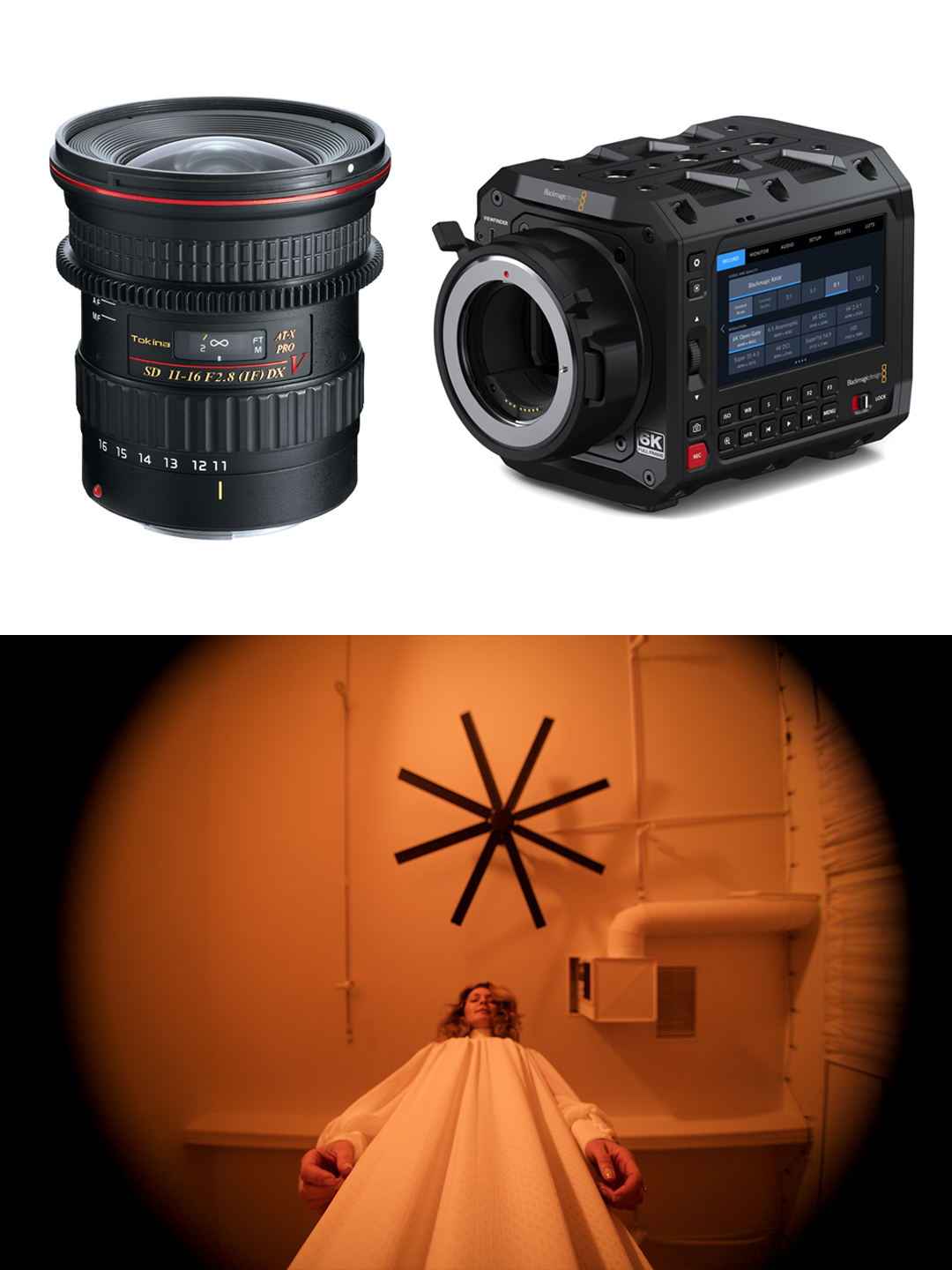
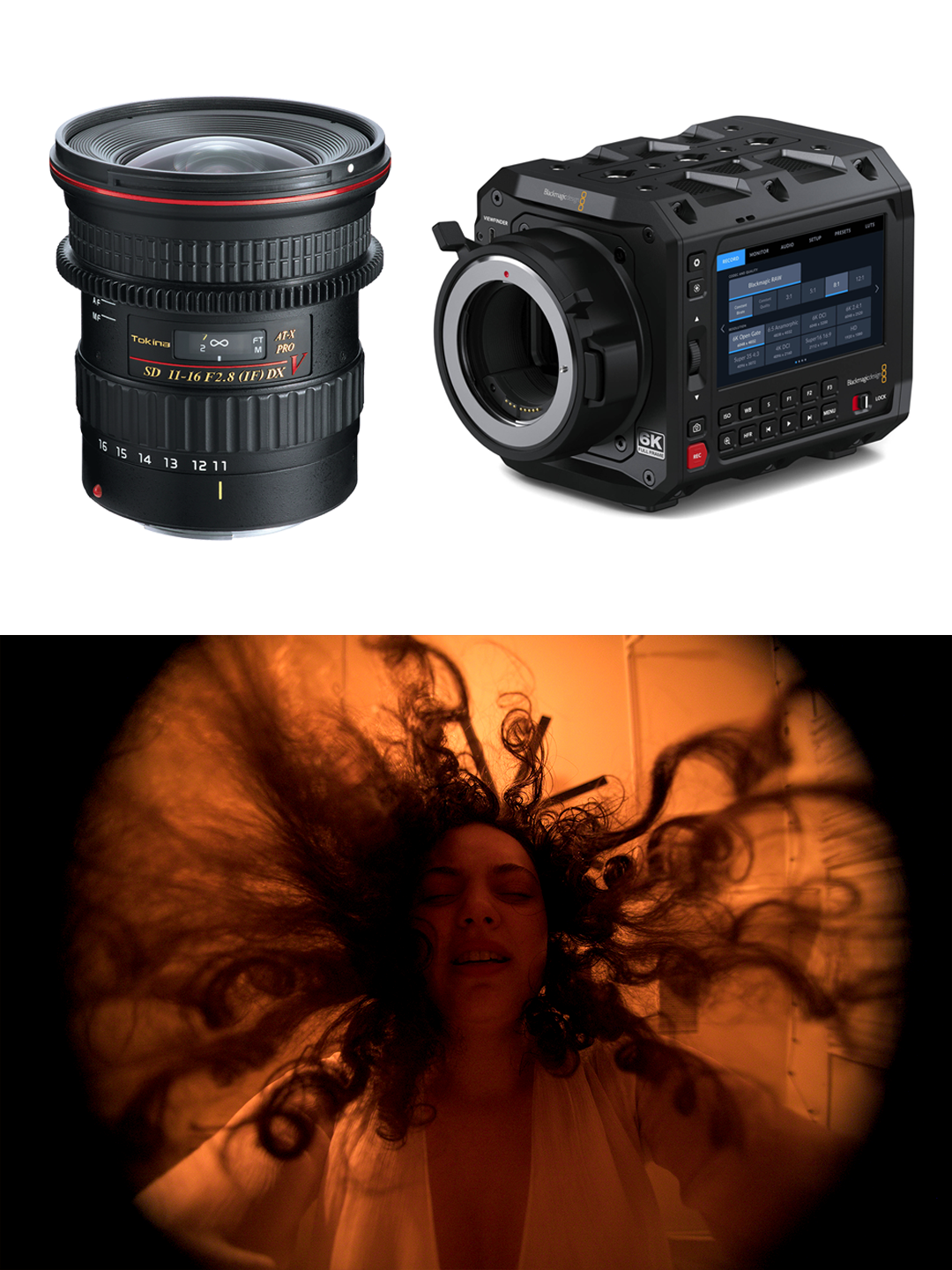
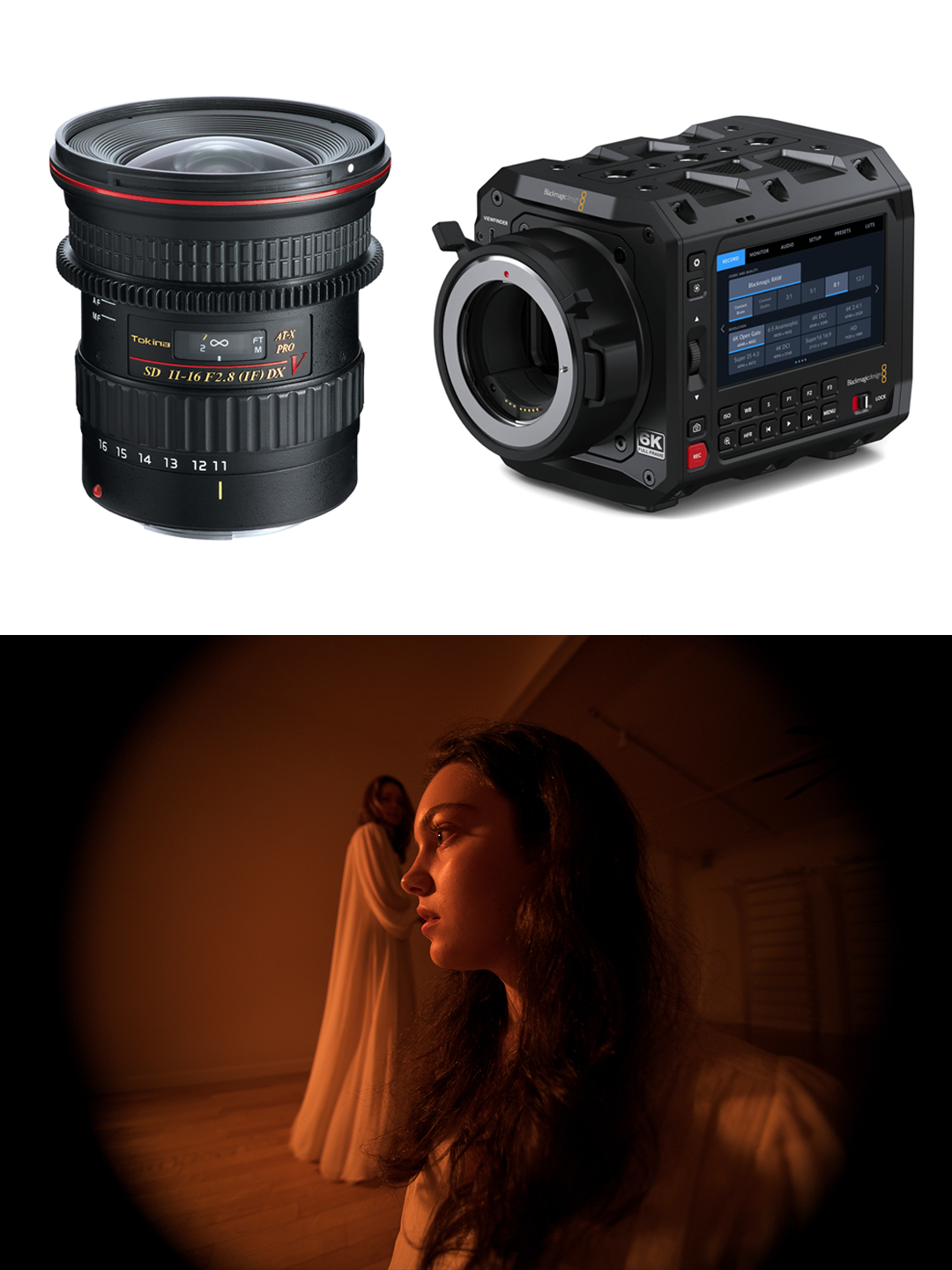
The subject matter lent itself to some really interesting visuals, and I ended up using three mismatched lenses on the Blackmagic PYXIS 6K to capture it.
These included the extreme wide-angle Tokina 11-16mm (which vignettes on the larger format PYXIS), my Leica R 50mm (which I previously shot an entire feature on), and a Helios 44M that delivered a dreamy, surrealist look.
You can check out some of the shots below:
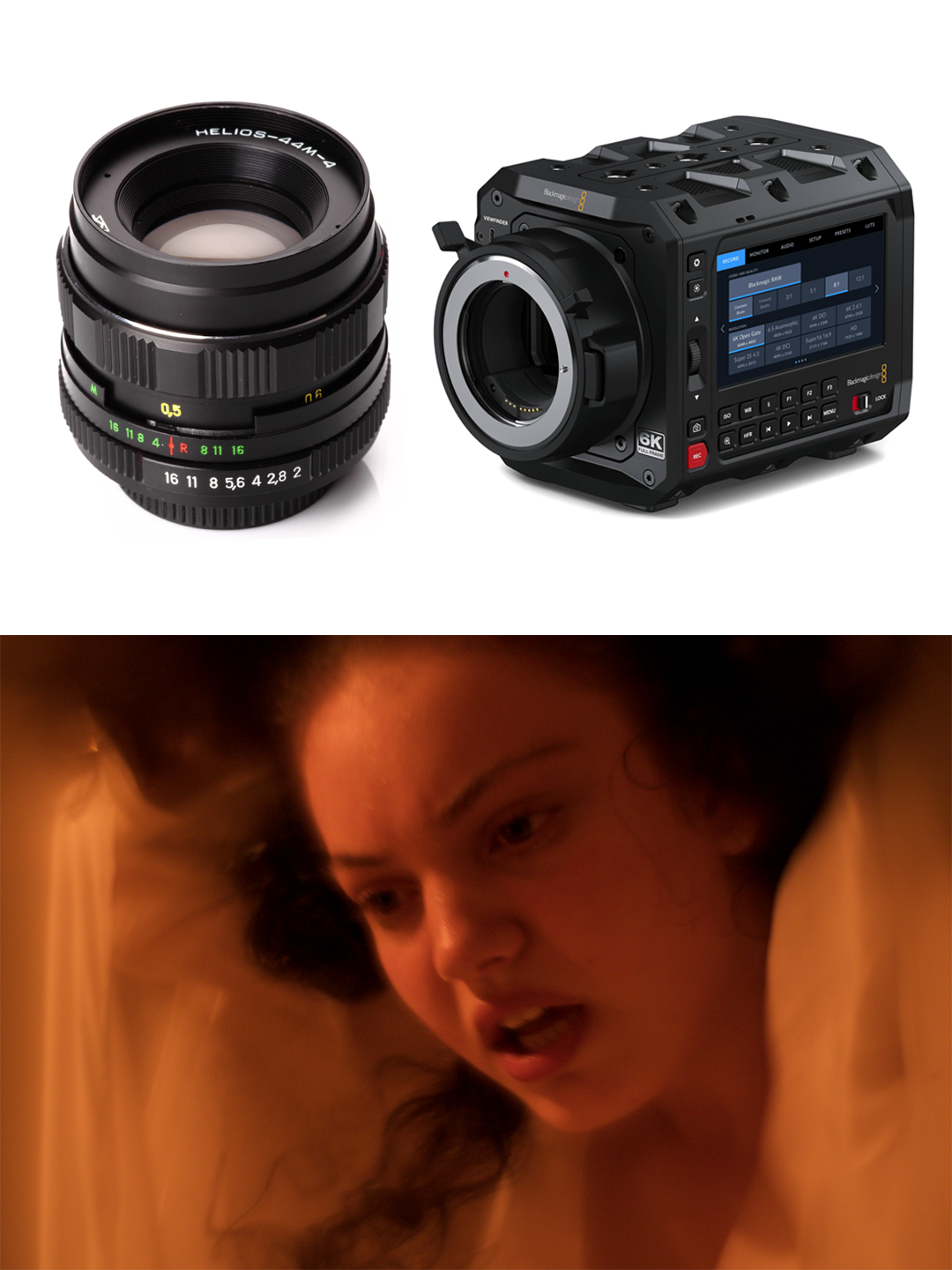
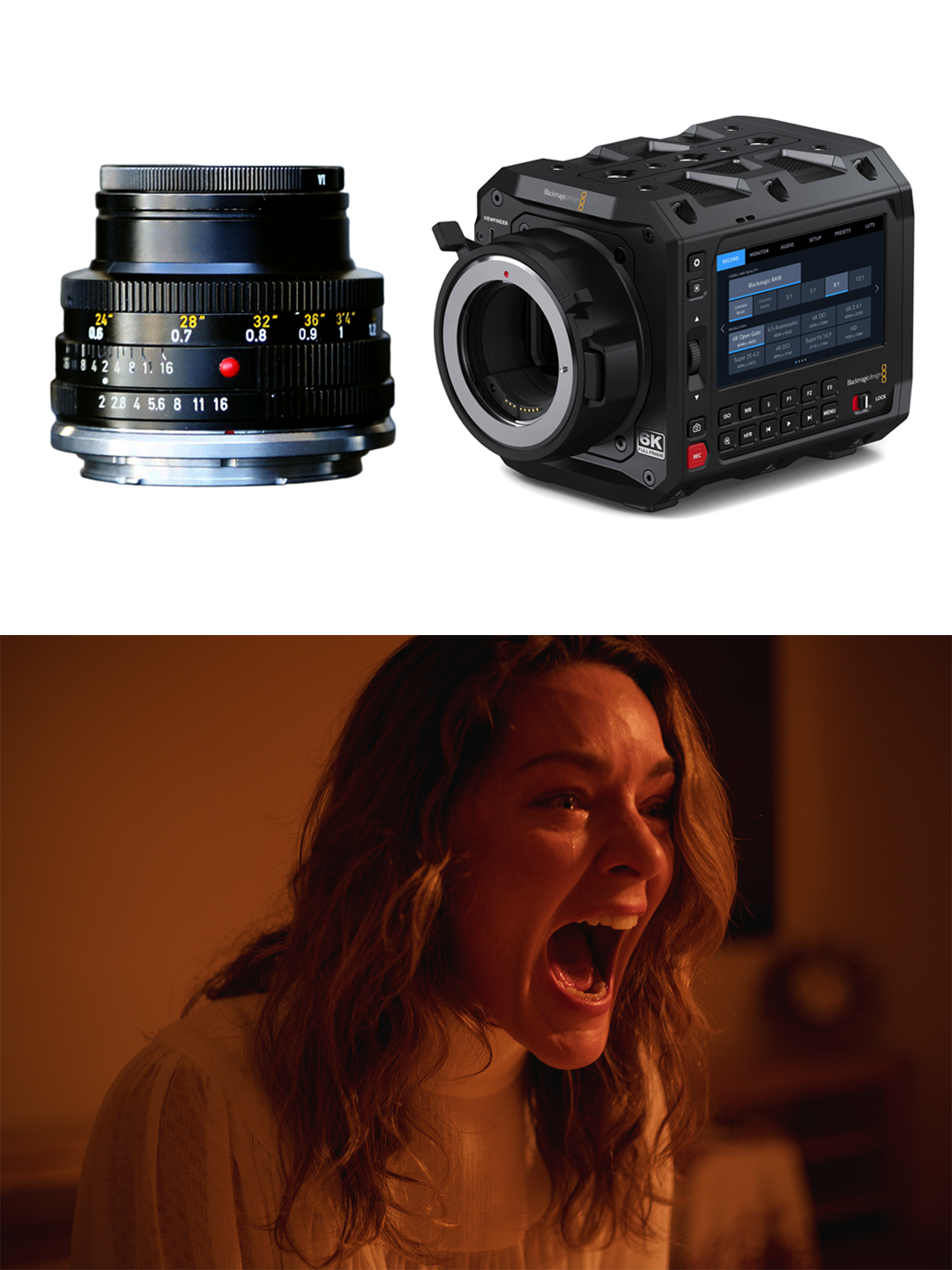
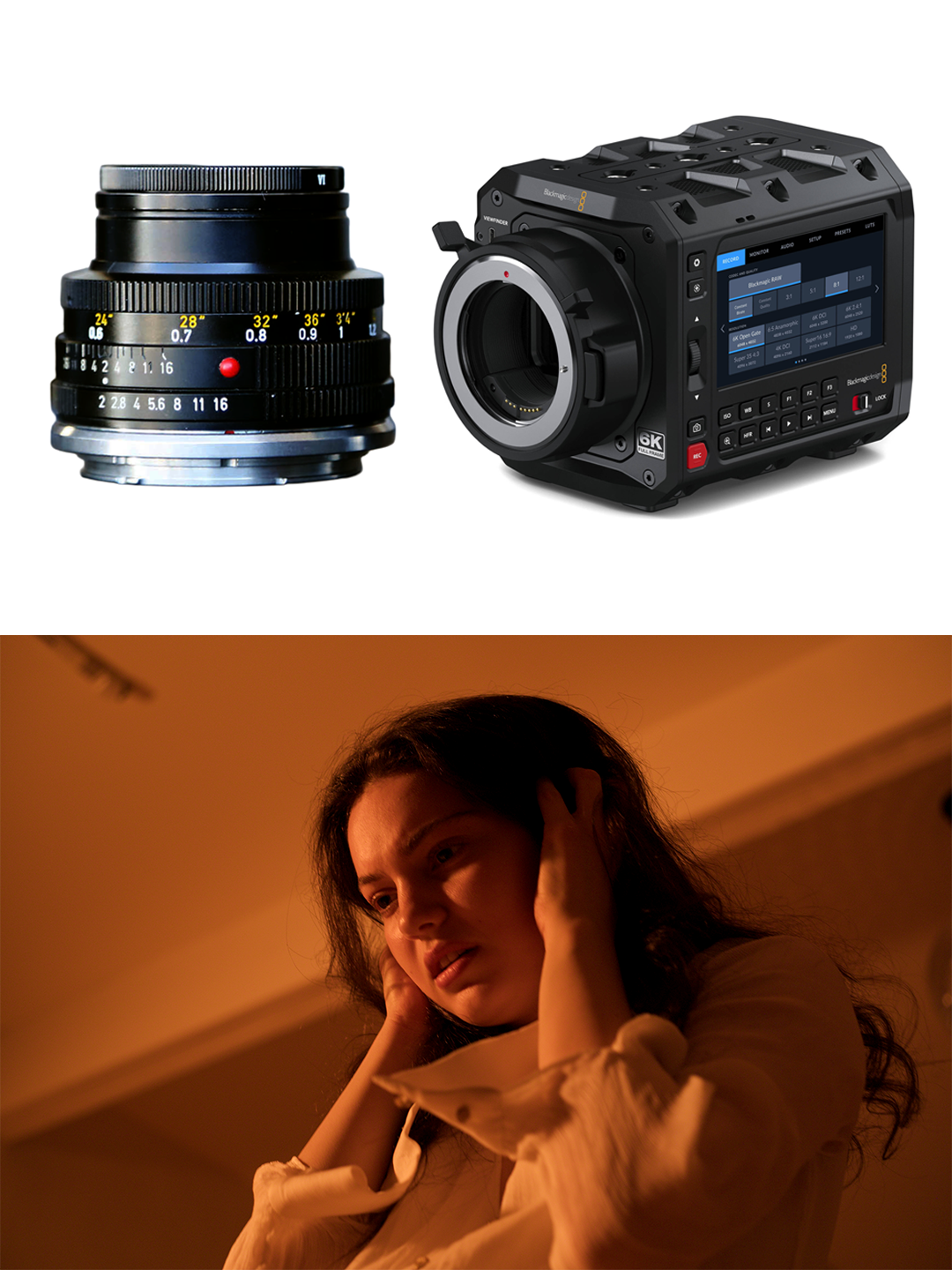
On the day, we had exactly 8 hours in the location and 6 pages to shoot. I’ve shot more pages in less time, but this was still a fair bit of material to get through quickly.
Originally I planned to shoot most of it locked off on a tripod and get really precise with the framing. This is usually my default when shooting solo (without a focus puller), but it can be a bit of a safety net.
After a super helpful brainstorming session with one of my producing partners, I did a 180 and decided to shoot everything handheld.
I wanted to model the coverage after a scene in my latest feature Teacher’s Pet – one of the few handheld scenes in the movie. I shot wide-angle lenses very close to the face to create a distorted effect.
I thought back to how quickly I shot that scene, and how it became one of my favorite-looking sequences in the whole movie. Ultimately I wanted to recreate the look and push it even further for Crow.
That one choice allowed for at least twice the coverage we would have otherwise had time for.
Shooting handheld is one of the best ways to dramatically speed up your day, so long as the circumstances call for it. Knocking out an insert shot or getting some bonus coverage takes seconds, not minutes.
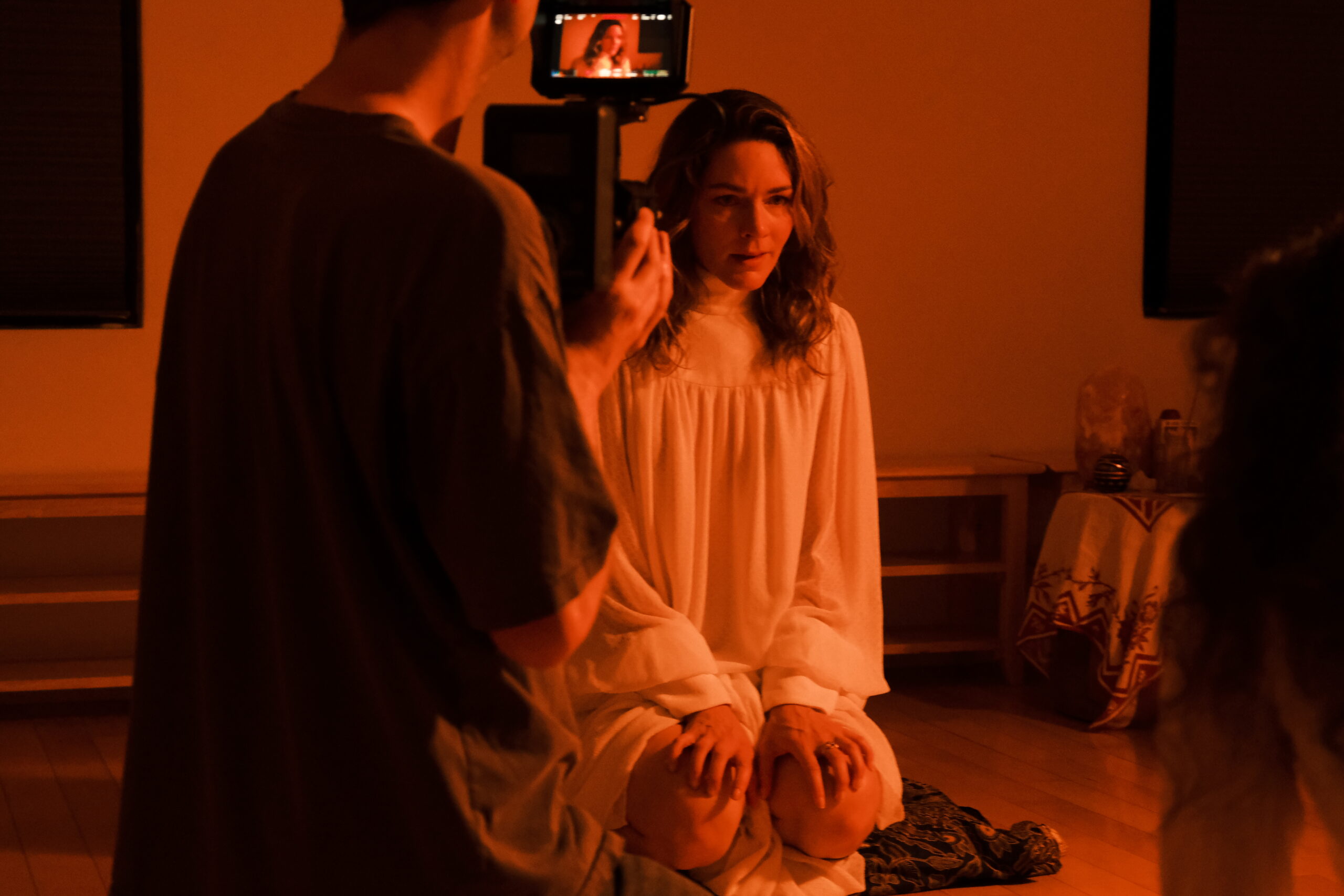
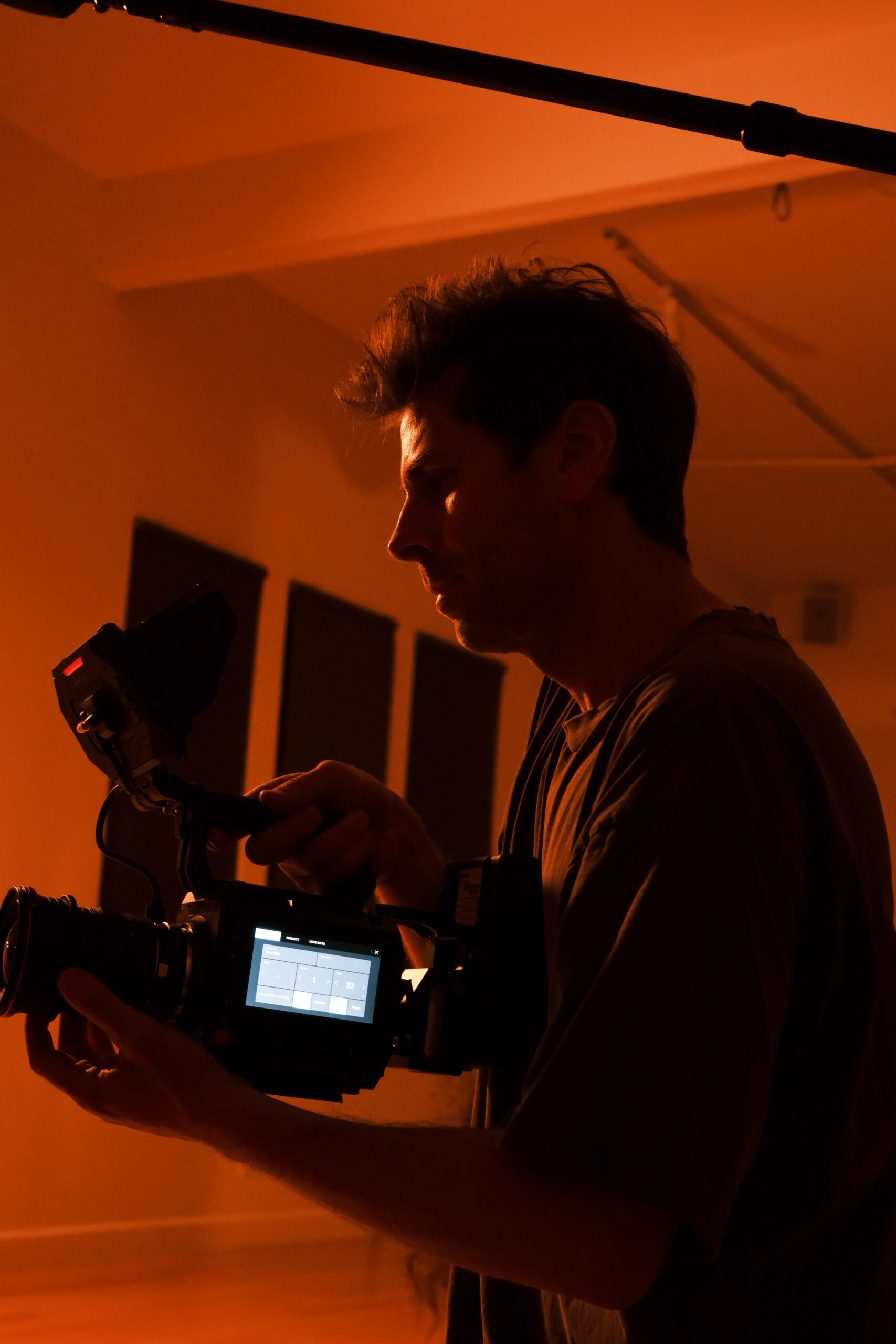
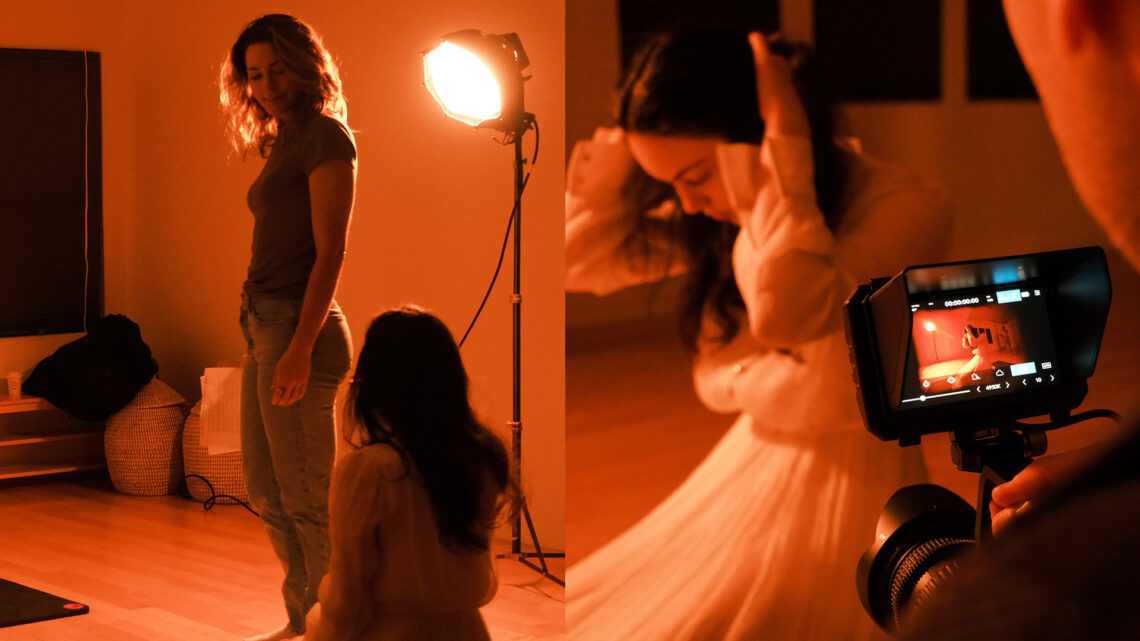
But there was another variable that helped us make our day too – and it was taking a minimalist, single-light approach.
I had rented some lights for this, including an Aputure 600, which I anticipated using as the main key light.
But after some experimentation on the day, I opted for a single Amaran 60c instead. It’s a much smaller fixture, with a dome/softbox maybe a quarter the size of the Aputure’s, which means the light falls off more aggressively.
Given the nature of the film, the smaller source actually worked better. I placed it opposite the actors and barely moved it the entire day, just small tweaks depending on where the camera landed or which actor I was filming.
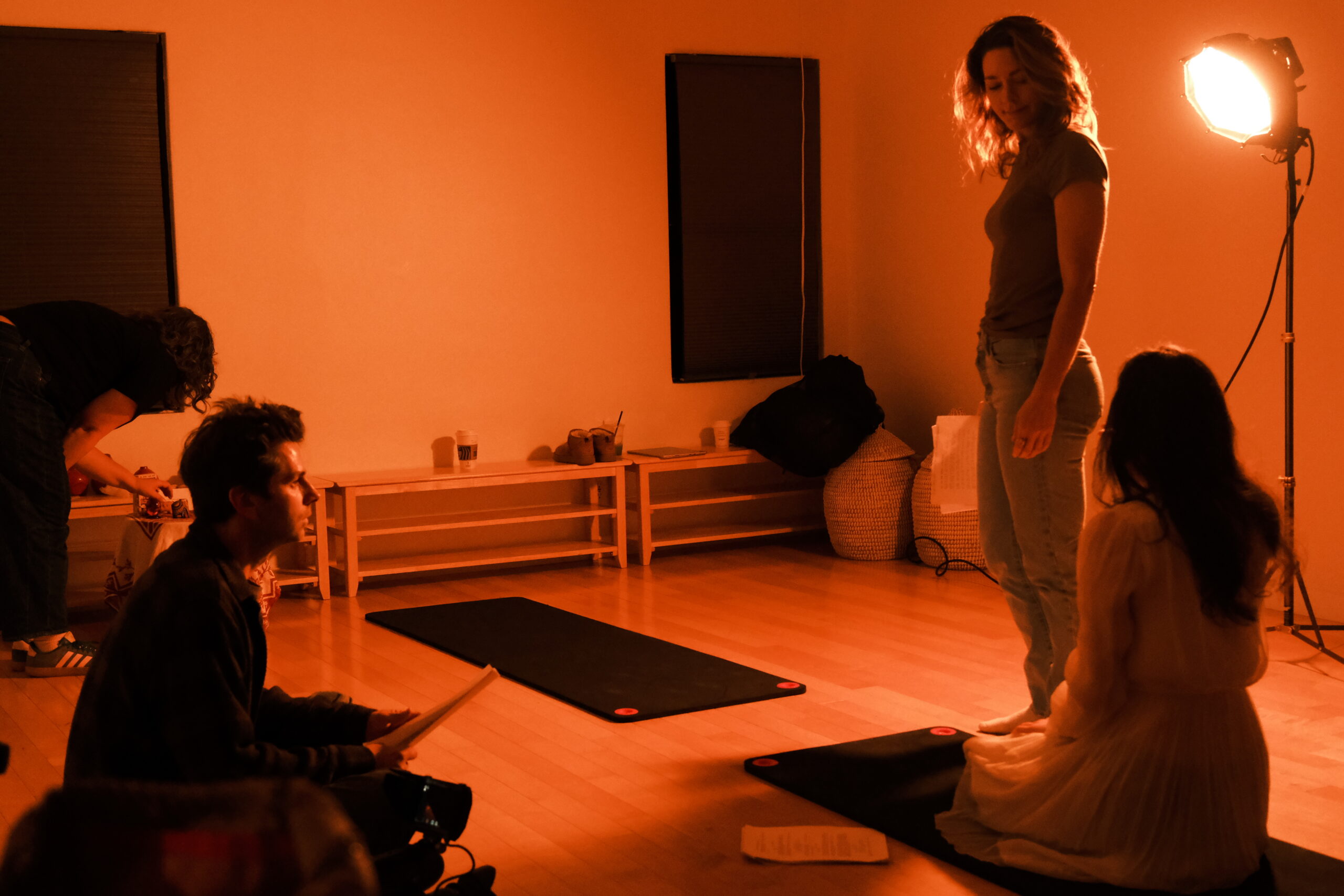
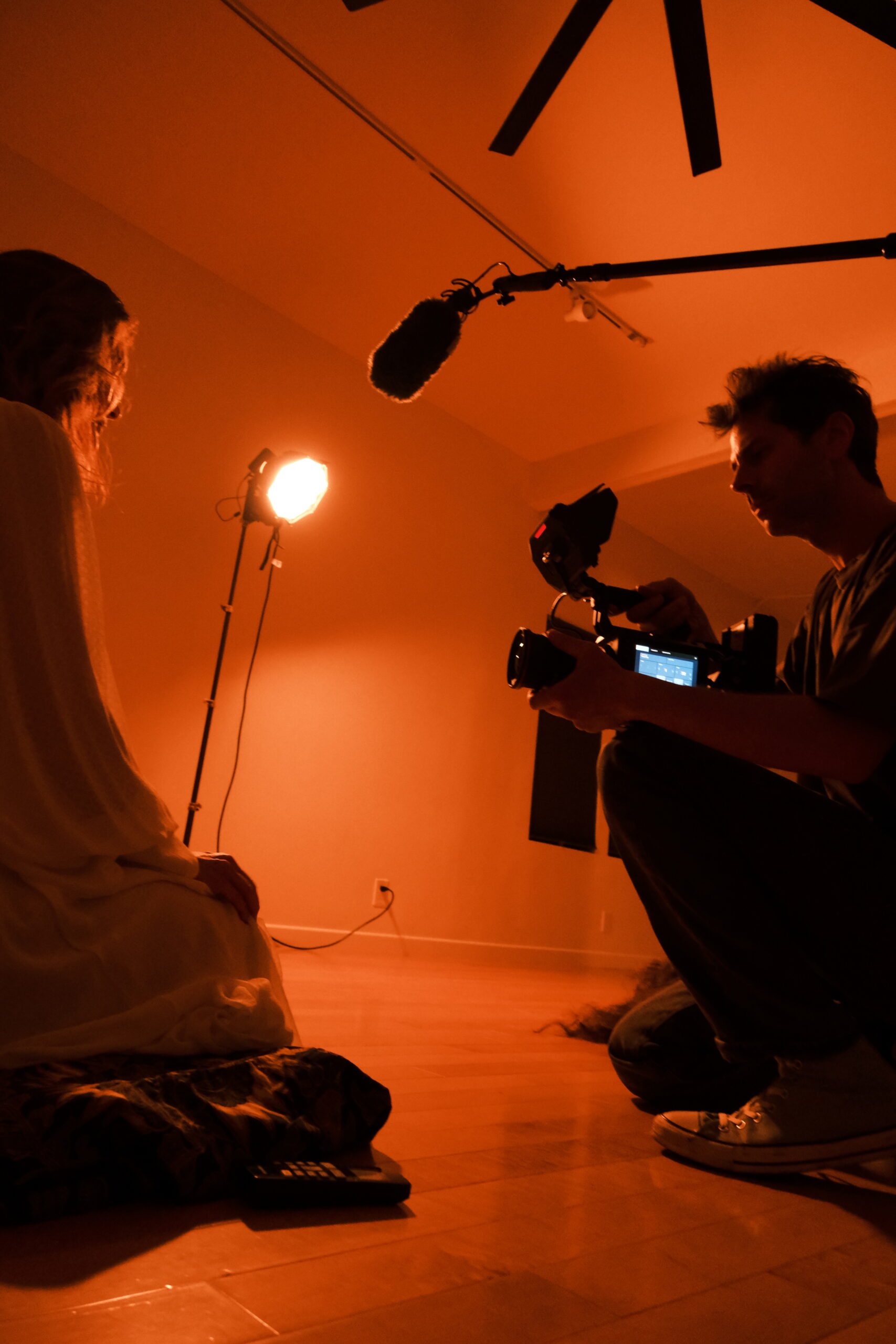
Complex lighting setups don’t always look better. In some cases they can look worse, especially if you don’t have the time or resources to dial them in perfectly.
A single source minimizes shadow and reflection issues while still letting you shape the scene. And because our light was so small and barely moved, it let us keep shooting instead of pausing to re-set.
Had we shot on tripod or dolly with a more complex lighting setup, we wouldn’t have made our day. And the end result might not have been as visually strong.
It was a good reminder that sometimes you can have the best of both worlds. You can shoot faster and better, so long as your choices are consistent with the material.
I’ll share more about this project soon, along with my other short film Jack & Christine, which is now nearly complete.
For exclusive filmmaking articles every Sunday, sign up for my newsletter here!


6 Comments
Geometry Dash Lite
atThe sentence “The 2 Variables That Speed Up Production The Most Written by Noam Kroll 5 This week I shot a new short film ( Crow ), which I am very excited about.” captures the practical issue clearly. Is there a simple sign readers can use to tell when it applies? Disclosure: I am associated with
DashedUp , an independent Geometry Dash Lite site.
Tava Messesh
atThis sounds like a really captivating concept for a short film! The logline alone has me hooked. I’m especially intrigued by your lens choices – using mismatched lenses on the PYXIS 6K to achieve those “interesting visuals” is a brilliant move. It makes me think about how sometimes the best tools aren’t always the most obvious, much like how finding the perfect game might require a search for Slope Unblocked rather than just the first result. Can’t wait to see the full film!
Guest Reader
atThanks for the clear explanation in The 2 Variables That Speed Up Production The Most – Noam Kroll. I found a complementary resource here: https://www.syncesim.com/.
Ivo Valemont
atFans can return to fnf for different reasons, from replaying favorite tracks to attempting harder charts. Memorable characters, expressive art, and timing-based gameplay give repeated sessions enough variety to stay engaging.
Joshua King
atThank you for sharing these insights on production efficiency! The emphasis on clarity and collaboration really resonated with me. I wonder how you would apply these variables to a creative project like game development, perhaps even in the context of something like fnaf 3? Could those principles help streamline the process? Excited to hear your thoughts!
Raymond Terrell
atThanks, Noam! Your insights on the two key variables for speeding up production really struck a chord with me. It’s fascinating how the right mindset and effective communication can transform not just workflows but entire projects. This reminds me of my own creative ventures where collaboration truly makes all the difference. Keep sharing these gems; they’re invaluable for anyone aiming to elevate their craft! fnaf