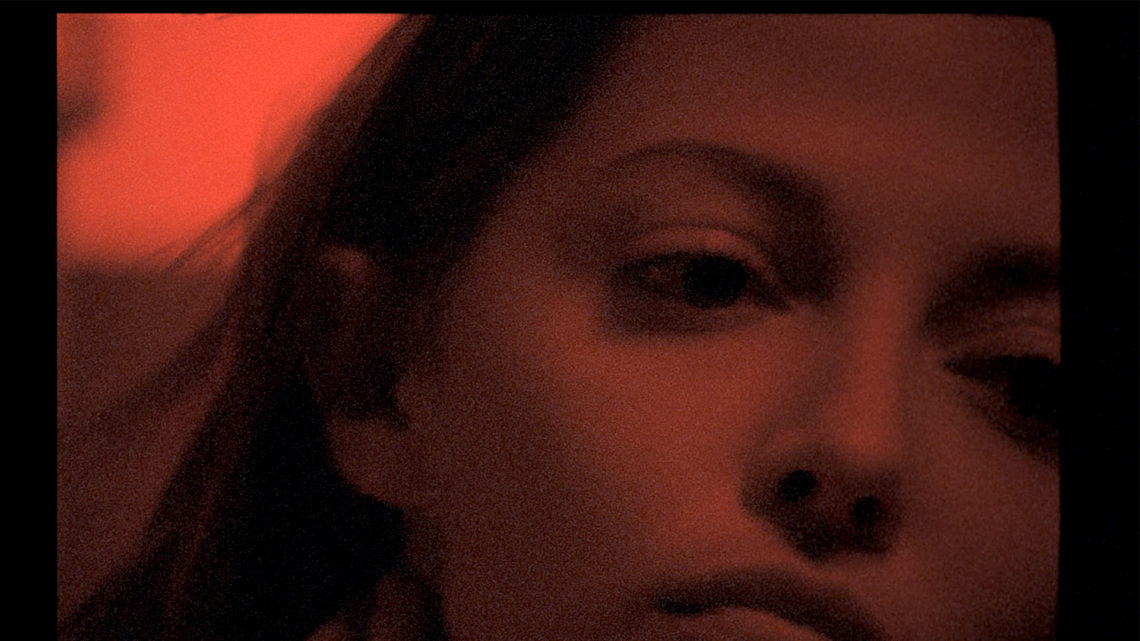

Nearly a year ago I modified my Arri SRII film camera to Ultra 16mm, and set out to take some test shots with it. Instead of just capturing random images, I figured why not set up a little short film to see how the camera would perform on a “real” set.
As I wrote about in this article, the shoot was super unconventional and took place over just 6 hours. We intended to shoot two full 400ft rolls of 16mm film, but due to a technical issue could only shoot a single roll… Still, we managed to capture 90% of what was planned and ultimately get it in the can.
Then, I put the film on a shelf for a while as the pandemic had hit and other priorities took over. But I revisited the film in fall for a very quick post-production process, which I talk about in this blog post.
The film has been done for a while, but I’m just publishing it online now as things have been so busy over the past few months. In any case, if you’d like to watch the experiment, check it out below!
This is what $0, one can of film, and a few friends pulled together in 6 hours. If you enjoy the film, please “like” it on YouTube with a thumbs up so other people can find it too.
For more filmmaking articles every Sunday, sign up for my newsletter here.



13 Comments
Steve Buckingham
atIt seems from your earlier favourite U16 you’ve now prefer S16 with its various advantages.
I’ve been disappointed that much of the history of U16 on the internet does not mention my late father’s invention of Varispect (then unpenned U16) in the early 50’s. It was also a precursor to S16 upon the uptake of single perf, so claims that Rune Ericson developed S16 would seem incorrect. The late Doug Palmers blogs on Cinematography.com cover a lot, and I’ve too been trying to see what recognition my father can get.
One thing that recently occurred to me is why the lense needs recentering on an S16 conversion, given an adequate lense, viewfinder compensation, and appropriate intermediate scanning. Maybe panning distortion for one thing, but maybe even that could digitally corrected.
I’ve been surprised by film movies continuing, and particularly 16mm, like one I stumbled upon recently on TV, How to Blow Up a Pipeline.
melik omondi
atAmazing work. I feel moved to get myself working thorough in film production.
Noam Kroll
atThat’s awesome to hear. Glad you enjoyed it, Melik!
NTENI
at+1
film is fantastic
makes such a difference
Noam Kroll
atLong live film!
El Cid Asaei
atThanks for sharing this! I liked the lack of dialogue and ultimate message about the dopamine effect of smart phones. Short and to the point with a strong message that’s not delivered on the nose (excuse the pun).
Noam Kroll
atSo glad you enjoyed it. Thanks for watching!
Harry
atNice short film. Quality is key too
Noam Kroll
atMany thanks, Harry!
Jeremy Evan Taylor
atVery well done, Noam. I agree with the message and I like how the short was an example of how to “show, don’t tell”. There is just something about 16mm (standard, super or ultra) that sucks you in and is so much more interesting to watch than the super clean, overly sharp look that the newer cameras produce. Gave a thumbs up on Youtube. Cheers!
Noam Kroll
atThanks a lot, Jeremy! And I totally agree about 16mm… It just makes everything look better.
sean o deadaigh
atNice one Noam. liked the concept and loved the look. BRAVO
Noam Kroll
atAppreciate that very much, Sean!